Tag: cinema

The Beautiful People: Is Hollywood Getting Too Pretty?
In 1991, Garry Marshall filmed an adaptation of Terrence McNally’s play Frankie and Johnny in the Clair De Lune. Off-Broadway, Kathy Bates had great success portraying the plain-Jane middle-aged waitress Frankie, but she did not get a shot at the movie. Instead, Marshall cast Michelle Pfeiffer. Some were outraged, but most just wrote this off…

Art and Greatness: On the Essence of Being a Master
While listening to Manuel de Falla’s Harpsichord Concerto in the past, I’ve often wondered whether an artist with few works that I like can be considered a master. Since then, I’ve come to an answer: yes, of course. He or she can. It has been difficult for me to categorise such creators because I then…
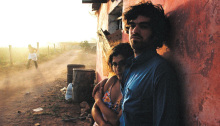
Exoticism and Tourism: Representations of Sexuality in Exils and Edge of Heaven
In “Discovering Form, Inferring Meaning: New Cinemas and the Film Festival Circuit”, Bill Nichols has argued that the viewing of festival films, specifically those of foreign countries, positions the spectator as a tourist. This got me thinking about how such “tourism” may also exist within migrant cinema. Films dealing with issues such as colonialism, exile…
Perceiving Film: The Cinematic Rorschach Test
We’ve been talking a lot about favourite films recently. Were I to make a list, John Sayles’ 1994 movie The Secret of Roan Inish would rank fairly high. But if you want to discuss and analyse that movie, you would find me useless. I’ve seen it once, and though “never” is a long time away,…
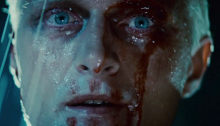
Poetry In Motion (Pictures): 19 Films that Feature Poetry
There’s a very easy way for screenwriters to make characters seem smart, and that’s to have them quote some verse, usually by a heavyweight poet (Shakespeare, Milton, Yeats or Eliot). Sometimes it’s just a way for the screenwriters to wear their educations on their sleeves. Splendor in the Grass (1961) Splendor in the Grass,…